Instagram purge reshapes influencer marketing playbook
Article By: Old Harbour News
-

- May 08, 2026 11:44 AM | Commentary
-
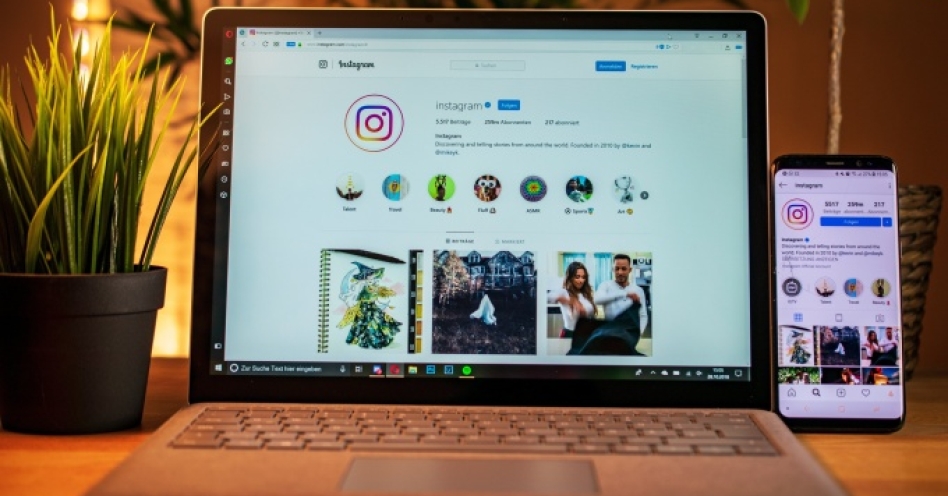
With the sudden removal of over 50 million bot, spam, and “dead soul” accounts in the so-called “Great Purge of 2026”, Instagram hasn’t just tweaked its code — it has detonated a wrecking ball into the cathedral of influencer marketing. For brand managers, the message is stark: the currency you’ve been trading in is likely counterfeit, and the influencer you paid $50,000 for a post last month may have just lost a third of their audience overnight.
The numbers are staggering. Kylie Jenner hemorrhaging 15 million followers is not a glitch; it is a market correction. BLACKPINK shedding 10 million, Cristiano Ronaldo losing 8 million — these are not mere statistics but a seismic repricing of digital influence. The purge exposes the foundational rot of the attention economy, where high follower counts, long mistaken for high influence, were often little more than a Potemkin village constructed by crypto scam farms and click farms. For platforms like Instagram, TikTok, and YouTube, where influencer marketing spend was projected to surpass $35 billion globally this year, the immediate impact is a crisis of contractual trust.
The Death of the Vanity Metric
The most immediate casualty of the purge is the "cost per mille" (CPM) model based on raw follower count. For a decade, brands have been fatally addicted to reach, often preferring an account with 10 million fake followers over one with 100,000 real, engaged enthusiasts. The purge renders that calculus not just outdated but legally precarious. Agencies are facing an urgent dilemma: if an influencer’s rate card was negotiated based on pre-purge figures, are those contracts now voidable due to misrepresentation? The smart money says yes. We are likely entering a period of frantic contract renegotiations and “follower audits” where clawback clauses become standard.
Beyond the legal quagmire, the purge fundamentally shifts the value proposition toward micro- and nano-influencers. The celebrity creator with a diluted, bot-heavy following is suddenly revealed as a radioactive asset — their legitimacy is publicly tarnished, and their engagement rates, although mathematically higher post-purge, are psychographically poisoned by distrust. The user who saw their follower count flatline for years because the platform was clogged with bots is the new kingmaker. They possess what peddlers of luxury goods and lifestyle brands covet most: an authentic community, not an audience of automation.
The Algorithm’s New Deal
This cleanup is not happening in a vacuum. It runs parallel to Instagram’s aggressive pivot toward original content, penalizing aggregator accounts that merely repost. The combination is a one-two punch designed to gut the middleman economy. By sweeping out bots and shutting down recycled meme pages, Meta is starving the parasitic layer of the platform and forcibly injecting value back into the high-effort creator.
For the market, this signals a painful but necessary shift from a “rented” audience model to an “owned” one. Smart brands will stop leasing fake reach and start funding creative talent. The immediate impact is a surge in the importance of shareable, original branded content that users actually want to consume, rather than inert sponsored posts that sit on dead profiles. When Instagram CEO Adam Mosseri says the platform will no longer actively recommend these aggregators to non-followers, he is telling marketers: you can’t buy your way into the Explore page with a reposted clip; you have to make something.
The Silver Lining Behind the Rubble
There is a profoundly optimistic scenario emerging from the chaos. A scrubbed platform offers advertisers a cleaner supply chain. When 92% of scam ads are caught pre-reporting, the brand safety environment improves drastically, inviting premium advertisers who have long been wary of having their luxury watches advertised next to crypto-touting deepfakes of Elon Musk. The parallel rollout of stablecoin payouts for creators also points to a future where compensation is tied to verified human transactions, not bot impressions.
However, the short-term pain will be sharp. Brands locked into rigid influencer schedules for upcoming product launches will find their media plans shredded. The panic visible on Threads, Instagram’s text-based cousin, is not just ego-driven — it’s the sound of small businesses realizing their primary marketing channel was inflated.
The “Great Purge of 2026” should be read as a kind of corporate honesty bankruptcy. The assets are being written down to reality. The influencers who survive with their reputations intact will not be those with the highest remaining counts, but those who can prove, through comments that aren’t fire emojis from bots and sales conversions that actually track, that their influence is real. The fake crowd is gone; the sound you hear now is the real applause — and for the first time in years, you can hear yourself think. The influencer economy isn’t dying. It’s just waking up, hungover.