Five women killed every hour by partners or relatives globally – UN report
Article By: Old Harbour News
-

- Nov 25, 2026 09:11 AM | International
-
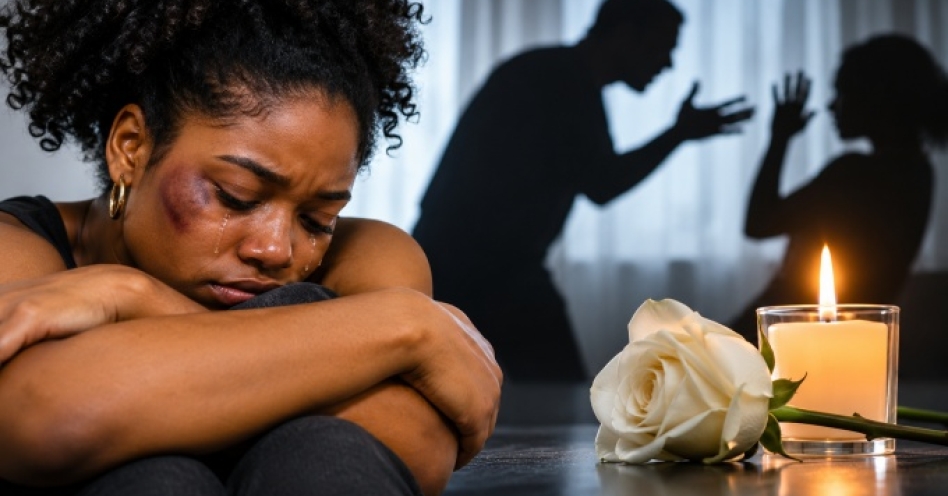
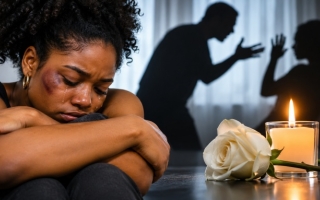
The findings, published on Tuesday by the United Nations Office on Drugs and Crime (UNODC) and UN Women, reveal that an average of 129 women and girls were killed daily by someone within their intimate or family circle – equivalent to more than five every hour.
The 2026 Femicide Brief was released ahead of today's observance of the International Day for the Elimination of Violence against Women.
Of the estimated 78,000 women and girls intentionally killed globally last year, approximately 60 per cent lost their lives at the hands of intimate partners or family members. In contrast, only 11 per cent of male homicide victims were killed under similar circumstances.
The findings reinforce concerns that the domestic environment, where women and girls should enjoy a sense of security, remains a significant threat to their safety.
While the latest figure represents a reduction from the estimated 50,000 women and girls killed under similar circumstances in 2024, the UN cautioned that the difference largely reflects changes in the availability of national data rather than a genuine reduction in such killings.
Americas records second-highest rate
Africa recorded the highest rate of intimate partner and family-related femicide in 2025, with 2.9 victims per 100,000 females.
The Americas, the geographical region that includes Jamaica and the wider Caribbean, recorded the second-highest rate at 1.4 victims per 100,000 females, followed by Oceania at 1.1, Asia at 0.6 and Europe at 0.5.
Of particular concern is the disparity between the decline in general homicide rates and gender-related killings of women.
Between 2010 and 2025, the overall homicide rate in the Americas declined by 23 per cent, compared with a reduction of just 12 per cent in the femicide rate.
The disparity highlights the need for targeted interventions to address violence against women, even as countries make progress in reducing violent crime generally.
Warning signs must not be ignored
The United Nations noted that femicide – the gender-related killing of women and girls – frequently follows prolonged exposure to domestic abuse, intimidation, threats and controlling behaviour.
However, many victims encounter significant obstacles when attempting to obtain protection or access justice.
A separate UN Women study, drawing on information from 54 countries, found that only 23 per cent of women who experienced physical or sexual violence sought assistance, while a mere seven per cent reported their experiences to the police.
Concerns about personal safety, financial security, housing and the possibility of losing access to their children are among the factors that can discourage victims from reporting abuse.
UN Women Executive Director Sima Bahous stressed the importance of early intervention and greater institutional accountability.
“We must ensure women can report violence safely, access protection, and receive support before it is too late,” Bahous said.
UNODC Executive Director Monica Juma also called for sustained efforts to confront harmful social attitudes, strengthen domestic violence prevention programmes and improve interventions targeting perpetrators.
Implications for Jamaica
Although the global figures do not provide a specific assessment of Jamaica, the findings carry particular significance for the island's ongoing efforts to address domestic violence and protect vulnerable women and children.
The report highlights the importance of cooperation among law enforcement agencies, the judiciary, social service providers, community organisations and families in identifying potentially dangerous situations before they escalate.
It also underscores the need for accessible support services, effective enforcement of protection orders and greater public awareness of the warning signs associated with abusive relationships.
Global call to action
Today's observance marks the beginning of the annual 16 Days of Activism against Gender-Based Violence, which continues until December 10, internationally recognised as Human Rights Day.
This year's campaign is being observed under the theme, “Ensure justice, protect survivors, end impunity.”
At the United Nations headquarters in New York, 129 orange flags were displayed to symbolise the number of women and girls killed by intimate partners or relatives on an average day in 2025.
The UN is urging governments, private sector organisations, civil society groups and the media to intensify their efforts to prevent gender-based violence, strengthen protection mechanisms and ensure perpetrators are held accountable.
Central to the appeal is the recognition that many of these deaths are preventable through timely intervention, effective legislation and meaningful institutional support.