The Dervan I knew
Article By: Dr Leo Gilling
-

- Oct 06, 2026 07:56 AM | Commentary
-
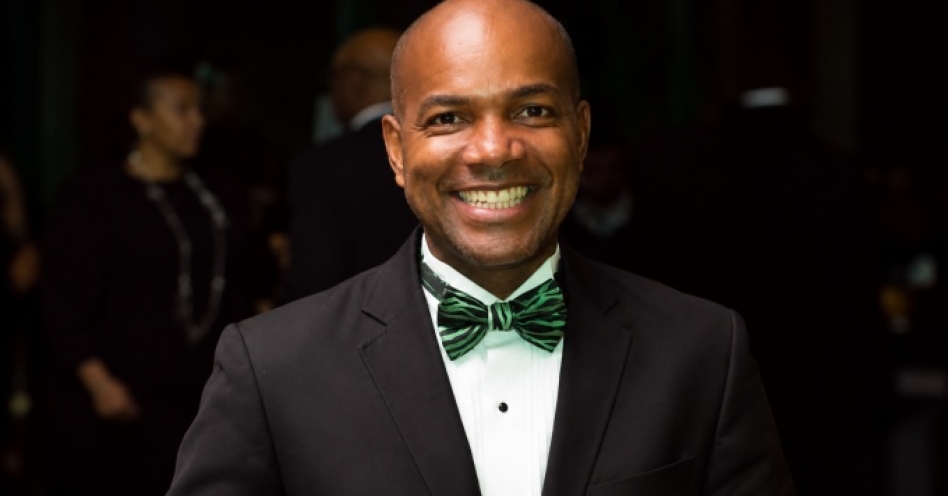
Dervan Malcolm
I spent hundreds of hours online and face-to-face in boardrooms with Dervan Malcolm. The man I knew was kind, intensely private, and guarded about his personal life—his childhood, siblings and family. He was not someone who sought public attention or spoke freely about himself.
Over many years, I also saw the time and care he gave to moulding young men on the Calabar campus. When I interviewed him one-on-one, he admitted that speaking about himself was not generally his style. Even when I tried to take him back to his boyhood, he would often deflect the conversation.
I am not here to tell anyone what Dervan Malcolm was or was not capable of. None of us can responsibly make such a claim. But I am also not prepared to accept serious allegations about him simply because they are repeatedly circulated online. Based on the Dervan Malcolm I knew over many years, I find it very difficult to reconcile the language now attributed to him with the private, restrained and dignified way he lived his life. I cannot say what was or was not written without seeing an authenticated document, but nothing in my experience of him prepares me to accept these claims uncritically.
What I want to know is this: has anyone independently authenticated the document now being relied upon publicly?
I have not seen an authenticated copy, case number, filing date, court reference, or verified account of the exact words said to have been written. If a reporter or commentator chooses to rely on an alleged court document, that document should be verified—subject, of course, to the proper rules governing access to private family proceedings—and its contents reported accurately and in context.
It cannot be enough for one blogger to invoke court documents while the public is asked to accept serious allegations as fact without independent verification. Dramatic, repeated or damaging allegations do not become established facts merely by being circulated online.
Dervan is no longer here to answer for himself. That makes accuracy, restraint and decency even more important.
A man’s name should not be dragged through the mud in illness and in death on the basis of unverified claims. Unless and until the source document is independently authenticated, those repeating allegations should make clear that they remain allegations, not established facts.
Dr. Leo Gilling is a criminologist, educator, and diaspora policy advocate. He writes The Gilling Papers, where he examines policing, public safety, governance, and community-based solutions in Jamaica and across the African diaspora. Send feedback to editorial@oldharbournews.com