China aids Cuba with 49 solar parks amid US blockade
Article By: Old Harbour News
-

- Apr 06, 2026 02:01 PM | International
-
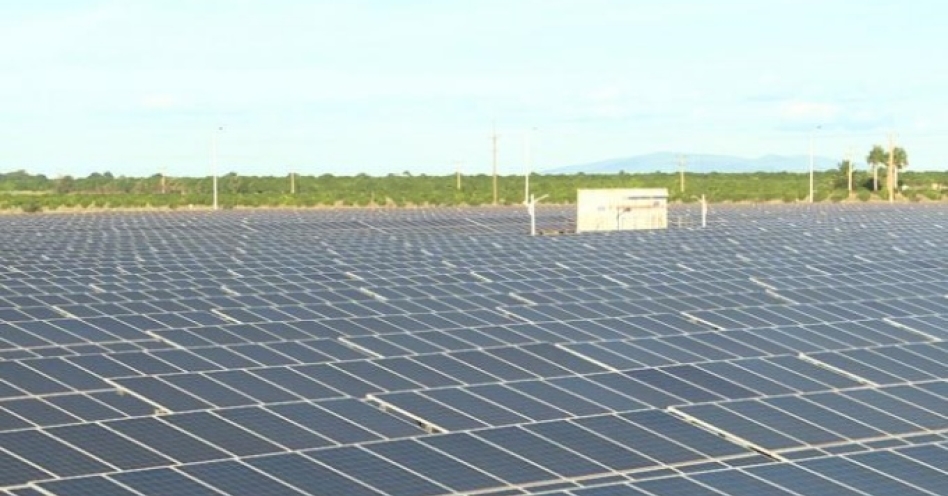
Solar Park in Cuba. (Image Credit: Granma)
With reports that U.S. measures now include potential naval blockades and oil embargoes, Beijing has pledged to support Cuba “to the best of its ability.” Chinese officials have framed the assistance as a moral and strategic imperative, vowing to help the Cuban people defend “their right to survival and development.”
Emergency Food & Financial Aid
The most immediate relief has come in the form of rice and cash. China has delivered or pledged a staggering 90,000 tons of rice in early 2026 to alleviate acute food shortages. According to reports, a specific 60,000‑ton package could feed the entire Cuban population for roughly one month.
Alongside the grain, Beijing opened an $80 million emergency financial aid line to allow Cuba to purchase electrical equipment and address other urgent infrastructure needs.
Energy Transition: 49 Solar Parks and a 20% Grid Share
With Cuba’s traditional oil supplies from Venezuela and Mexico severely disrupted by U.S. sanctions, China has positioned itself as a central partner in what officials call Cuba’s “Energy Revolution”.
The centerpiece of that effort is solar power. Chinese technology and expertise have already helped Cuba develop 49 solar parks, with plans to build nearly 100 in total by 2028. The impact is already measurable: solar energy’s share of Cuba’s total generation reportedly grew from 6% to over 20% in the past year due to Chinese equipment and on‑the‑ground support.
Beyond utility‑scale projects, donors from China recently provided 5,000 household solar energy sets to keep clinics and homes for the elderly running during the ongoing power outages.
Diplomatic & Strategic Cooperation
Beijing has not limited its assistance to material aid. Using its diplomatic platforms, China has urged the U.S. to immediately lift the blockade, describing it as a violation of international law and a threat to regional peace.
The two nations are also deepening cooperation in biopharmaceuticals, including a new joint lab for researching respiratory viruses, and have signed a bilateral cybersecurity agreement to resist “external interference”.
As one senior Chinese diplomat put it, the goal is not just to keep the lights on in Havana, but to demonstrate that “alternative cooperation” can survive and thrive despite the most severe external pressure.