CAPRI report identifies 16 policy changes Jamaica needs to prepare better for disaster
Article By: Old Harbour News
-

- Nov 01, 2026 07:41 PM | News
-
Higher Ground: Lessons from Hurricane Melissa for Resilience, Relief, and Recovery examines why Jamaica was so vulnerable to the Category 5 hurricane and identifies practical reforms across four areas: the natural environment, the built environment, public services and welfare, and disaster financing.
The report finds that 86 per cent of Melissa’s damage was to the built environment, much of it affecting buildings constructed before an enforceable national building code was in place. It also highlights the vulnerability of Jamaica’s electricity infrastructure, which was designed to withstand a Category 3 hurricane, and the loss of natural coastal defences such as mangroves and forests.
The effects extended well beyond physical damage. Electricity took seven months to restore, while approximately 80 public schools were still operating in tents or on rotation a year after landfall. The report also identifies weaknesses in the systems used to deliver relief, including delays in getting assistance to vulnerable households and slow disbursement of donated funds.
A central finding is that Jamaica had made provision for the financial cost of disasters, but had not developed the same level of preparedness in its infrastructure, natural defences and systems for delivering public assistance. The report therefore looks beyond what happened during Melissa to examine the decisions, institutional arrangements and implementation gaps that shaped the country's exposure and response.
Its recommendations include revising building and infrastructure standards to account for stronger hurricanes; protecting and restoring natural barriers; strengthening continuity plans for essential services; establishing permanent systems for managing and distributing relief; and improving the accountability and replenishment of disaster funds. Each recommendation identifies the institutions responsible and considers the practical requirements and trade-offs involved in implementation.
“Higher Ground” is intended to support public discussion with evidence, not simply add to the volume of post-disaster commentary. It examines the reasoning behind the proposed reforms, what Jamaica can realistically implement and what must change to reduce the impact of future disasters.
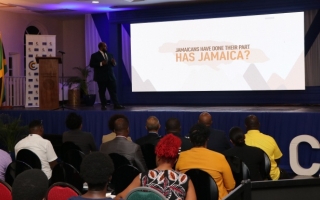
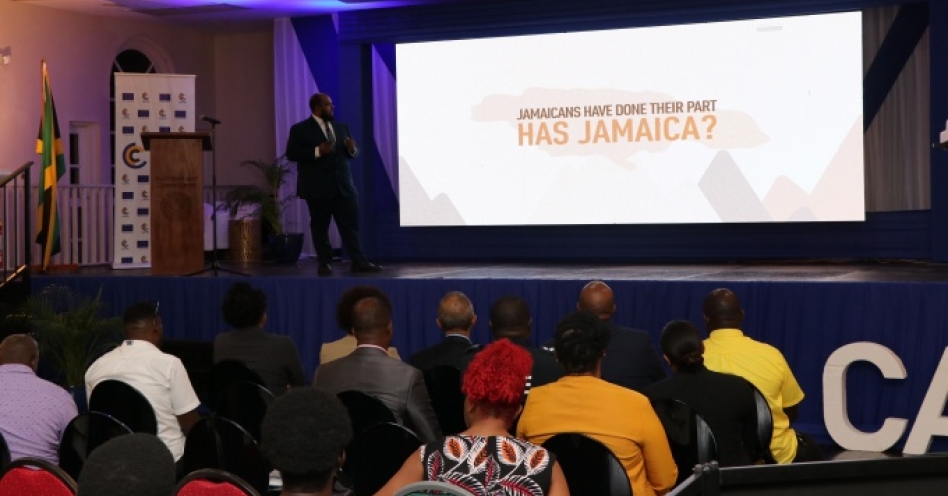
CAPRI launched the report on 28 October at the Montego Bay Cultural Centre, in partnership with the St. James Municipal Corporation. The discussion was moderated by Dr Damien King, with contributions from Rose-Ann Smith, Naudia Crosskill and Robert Kinlocke. The report was produced with funding support from the European Union.