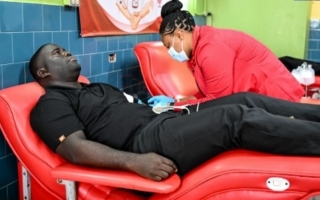
Breast cancer also affects men and the risk increases with age
Article By: Old Harbour News
-

- Oct 20, 2026 02:19 PM | Health
-

Although breast cancer is less common in men, the risk increases with age. Recognizing warning signs and seeking medical attention for unusual changes can help support early diagnosis.
Male breast cancer symptoms
A lump is the most common symptom of male breast cancer, but there also can be discharge from the nipple or pain in the breast area. A breast lump is usually firmer than the surrounding tissue and may have irregular edges; because men have less breast tissue, the lump is often close to the nipple, Dr. Ruddy explains. As in females, the most common breast cancer in males is ductal carcinoma.
"Since breast cancer screenings, such as mammograms and breast exams, aren't typically recommended for men, they usually find a lump on their own," Dr. Ruddy says. "If men notice an unusual lump, experience nipple discharge, or chest or breast discomfort, they should seek medical attention promptly to determine the cause."
"The risk for breast cancer in males increases with age and is more common in those who have a family history of breast cancer, especially male breast cancer," Dr. Ruddy adds. Some genetic mutations such as BRCA1 and BRCA2 also are known risk factors. Those with Klinefelter syndrome, a rare condition that occurs when men have an extra X chromosome, also are at higher risk.
Some medical treatments also can put men at greater risk, such as chest wall radiation, sometimes given to treat lymphoma. Some testicular and liver abnormalities that affect hormone levels also increase the risk for male breast cancer.
Staging male breast cancer
For men experiencing symptoms, the first step is breast imaging, usually a mammogram and an ultrasound, sometimes a breast MRI. If the findings of the exam and imaging are concerning, a biopsy – removing a sample of breast cells for testing – will be ordered.
"Breast cancer in men is staged the same as in women — from 0 to 4. If detected at stage 0 before the cancer becomes invasive, nearly all patients will be cured," Dr. Ruddy explains. "However, if cancer is detected at stage 4, that means it has spread to other parts of the body, and it usually can be treated but not completely eliminated."
Female breast cancers are more often detected at stage 0 and 1, while a higher proportion of male breast cancers are found at stages 2, 3 and 4, she says.
"When detected at the same stage, the prognosis for breast cancer in a male is no worse than that of breast cancer in a female," Dr. Ruddy says. "However, male breast cancers are more often diagnosed after they have already grown quite large in the breast, spread to lymph nodes under the arm or elsewhere in the body."
Male breast cancer treatment
If men are diagnosed with stage 0 to 3 cancer, surgery will be part of the treatment plan, while at stage 4, treatments will primarily use medications to fight the cancer throughout the body.
For men requiring surgery, a mastectomy, or the entire removal of the breast tissue, is a common choice. But some men choose lumpectomy —removal of only part of the breast — instead.
Chemotherapy, endocrine therapy and radiation decisions for men are largely based on evidence from women with breast cancer. However, the Translational Breast Cancer Research Consortium is enrolling men in the ETHAN trial, designed specifically for men. In the ETHAN trial, men who were recently diagnosed with stage 1-3 breast cancer are assigned to take different types of anti-estrogen and targeted therapy medications to find out how best to shrink male breast cancer before surgery. The results of this trial will advance treatment for male breast cancer patients in the future.
"Because breast cancer is less common in men, some patients with male breast cancer can feel isolated or even ashamed of having a cancer typically associated with women," Dr. Ruddy says. "That's why it's important for men to talk with their healthcare team about how they're feeling and, if possible, connect with other male breast cancer survivors in person or through online support groups."
To diagnose more men before their cancers grow large and spread, it's important that they seek medical attention for changes in their chest wall, nipple, underarms or neck, Dr. Ruddy says.
"In addition, men who are diagnosed with breast cancer are encouraged to participate in clinical trials, when available, to help improve male breast cancer treatment," she adds. "Detecting cancer early and optimizing evidence-based treatments will lead to more cures."